Featured


Should You Refinance High Interest Credit for 2026?
Table of Contents
In his 4 years as President, President Trump did not sign into law a single piece of legislation that minimized deficits, and only signed one expense that meaningfully lowered costs (by about 0.4 percent). On net, President Trump increased spending quite considerably by about 3 percent, omitting one-time COVID relief.
Throughout President Trump's term in workplace, federal debt held by the public grew by $7.2 trillion from $14.4 to $21.6 trillion. This includes a $3 trillion increase through February of 2020, before the COVID-19 pandemic struck the United States. And even by its own, really rosy quotes, President Trump's last spending plan proposition presented in February of 2020 would have permitted financial obligation to rise in each of the subsequent 10 years, from $17.9 trillion at the end of FY 2020 to $23.9 trillion by the end of FY 2030.
*****Throughout the 2024 governmental election cycle, United States Spending plan Watch 2024 will bring information and accountability to the project by analyzing candidates' proposals, fact-checking their claims, and scoring the fiscal cost of their agendas. By injecting an impartial, fact-based method into the national discussion, US Budget plan Watch 2024 will assist voters better comprehend the subtleties of the candidates' policy propositions and what they would imply for the nation's financial and financial future.
Guide to Financial Education in 2026
1 During the 2016 campaign, we noted that "no possible set of policies might pay off the financial obligation in 8 years." With an extra $13.3 trillion contributed to the financial obligation in the interim, this is a lot more true today.
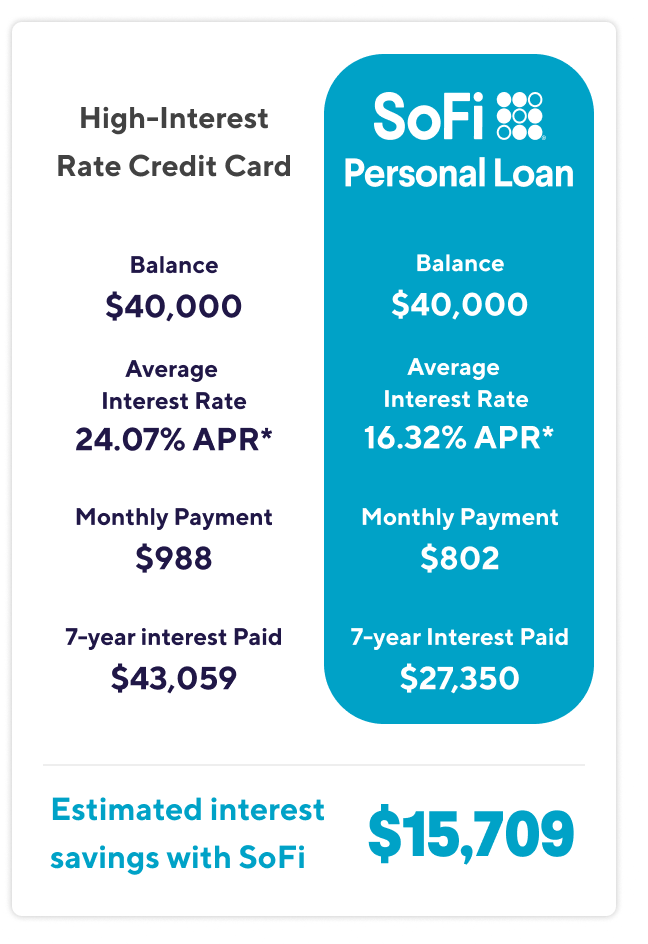
Credit card debt is among the most typical financial tensions in the U.S.A.. Interest grows quietly. Minimum payments feel workable. One day the balance feels stuck. A smart plan changes that story. It offers you structure, momentum, and psychological clarity. In 2026, with greater borrowing expenses and tighter home spending plans, strategy matters especially.
We'll compare the snowball vs avalanche method, describe the psychology behind success, and check out options if you need additional assistance. Absolutely nothing here assures immediate outcomes. This is about consistent, repeatable development. Charge card charge some of the highest consumer rates of interest. When balances stick around, interest consumes a big portion of each payment.
The objective is not just to remove balances. The genuine win is building habits that avoid future debt cycles. List every card: Existing balance Interest rate Minimum payment Due date Put everything in one file.
Lots of people feel instant relief once they see the numbers clearly. Clearness is the foundation of every efficient charge card debt reward plan. You can not move forward if balances keep expanding. Time out non-essential credit card spending. This does not indicate extreme limitation. It indicates intentional choices. Practical actions: Usage debit or money for daily costs Eliminate kept cards from apps Hold-up impulse purchases This separates old debt from current behavior.
Steps to Obtain Low Interest Loans for 2026
This cushion secures your reward plan when life gets unforeseeable. This is where your financial obligation strategy USA method becomes focused.
When that card is gone, you roll the released payment into the next smallest balance. The avalanche technique targets the highest interest rate.
Money attacks the most costly financial obligation. Decreases total interest paid Accelerate long-lasting reward Maximizes efficiency This method interest individuals who focus on numbers and optimization. Both methods are successful. The very best option depends on your personality. Pick snowball if you need emotional momentum. Select avalanche if you desire mathematical performance.
An approach you follow beats a technique you desert. Missed payments produce costs and credit damage. Set automatic payments for every card's minimum due. Automation safeguards your credit while you concentrate on your chosen payoff target. Then manually send out extra payments to your priority balance. This system minimizes tension and human mistake.
Look for practical adjustments: Cancel unused subscriptions Reduce impulse costs Cook more meals at home Sell products you don't use You don't need extreme sacrifice. The goal is sustainable redirection. Even modest extra payments compound gradually. Expenditure cuts have limitations. Earnings development broadens possibilities. Think about: Freelance gigs Overtime shifts Skill-based side work Offering digital or physical products Treat additional earnings as debt fuel.
Using Online Loan Calculators in 2026
Debt payoff is emotional as much as mathematical. Update balances monthly. Paid off a card?
Everyone's timeline varies. Concentrate on your own progress. Behavioral consistency drives effective charge card debt payoff more than ideal budgeting. Interest slows momentum. Reducing it speeds outcomes. Call your charge card issuer and inquire about: Rate reductions Challenge programs Advertising deals Lots of lending institutions choose dealing with proactive customers. Lower interest indicates more of each payment strikes the principal balance.
Ask yourself: Did balances diminish? A versatile plan makes it through real life much better than a stiff one. Move financial obligation to a low or 0% introduction interest card.
Integrate balances into one set payment. Works out reduced balances. A legal reset for overwhelming financial obligation.
A strong debt technique U.S.A. families can rely on blends structure, psychology, and flexibility. Financial obligation benefit is seldom about severe sacrifice.
Expert Financial Relief Plan Evaluations for 2026Benefits of Professional Credit Counseling for 2026
Paying off credit card financial obligation in 2026 does not need perfection. It needs a smart plan and consistent action. Each payment lowers pressure.
The smartest relocation is not waiting for the ideal minute. It's beginning now and continuing tomorrow.
, either through a financial obligation management strategy, a financial obligation combination loan or debt settlement program.

Latest Posts
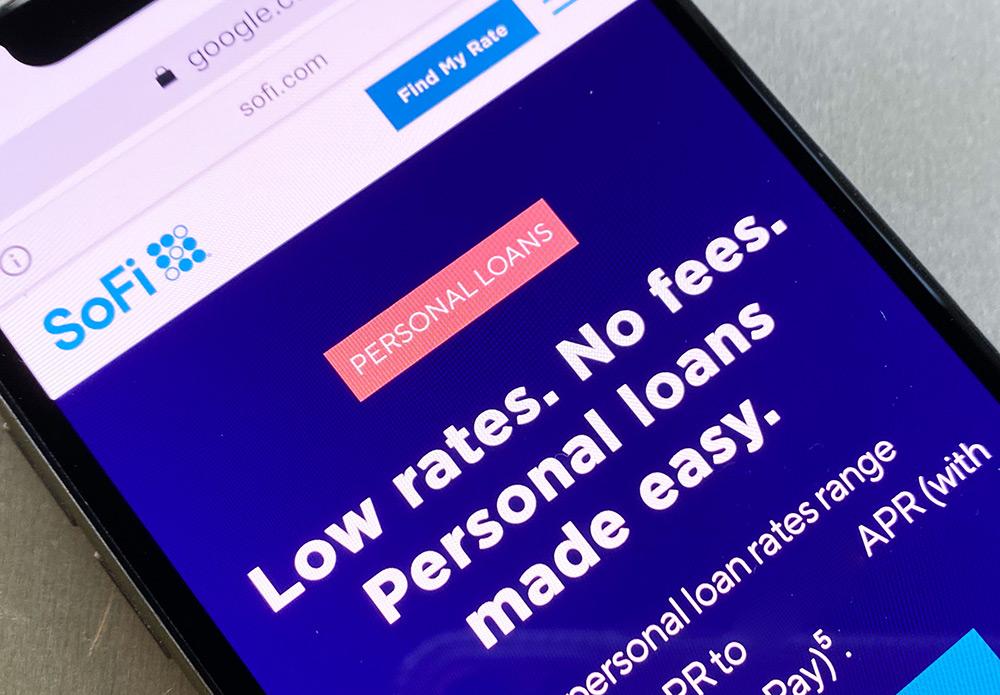
Securing Low Interest Personal Loans in 2026

HUD-Approved Property Education in 2026
Top Credit Management FAQs for 2026